

Understanding Subdivision Surveys in Glen Waverley
What Are Subdivision Surveys?
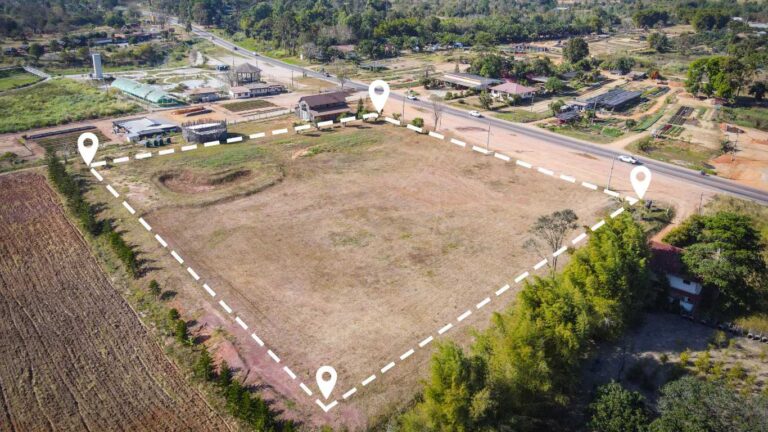
Subdivision surveys are the process of dividing a parcel of land into smaller, distinct sections, which is essential for property development in Australia. This meticulous operation is not merely about drawing lines; it encompasses a rigorous adherence to legal frameworks and precise measurements that ensure every parcel is accurately defined. Local councils regulate these surveys, necessitating compliance with numerous guidelines and standards that vary by location.
Accurate subdivision surveys are critical for various stakeholders, including developers, property owners, and local authorities. They provide the necessary groundwork for land division, facilitating the planning and construction of new developments, residential areas, and commercial spaces. Without this foundational work, all subsequent activities, from construction to sales, may face significant hurdles, including legal disputes over land boundaries and inadequate development approvals.

Key Components of a Subdivision Survey
A subdivision survey comprises several key components that are integral to its success. Each element serves a specific purpose in ensuring that the land is divided accurately and in line with local regulations:
- Boundary Surveys: These surveys establish the exact boundaries of the land, which is crucial for determining how land will be divided.
- Topographic Surveys: These provide detailed information about the land’s contours, elevations, and features, aiding in effective land use planning.
- Utility Surveys: These identify existing utilities and services on the land, which is essential for future development and infrastructure planning.
Each component must be conducted with precision, as inaccuracies can lead to costly legal disputes and planning complications. Understanding these elements is vital for anyone involved in the subdivision process in Glen Waverley.
Legal Requirements for Subdivision Surveys
In Australia, the legal landscape governing subdivision surveys is multifaceted, involving a combination of state and local regulations that must be diligently followed. Obtaining the necessary permits and adhering to zoning laws are critical steps in this process. Each local council has its specific requirements, which can include public consultations, environmental assessments, and compliance with planning schemes.
For property owners and developers, navigating these legal requirements can be daunting. However, understanding the regulations is crucial for a successful subdivision. It ensures that all necessary approvals are in place before any physical work begins, thereby minimising the risk of delays or penalties. Additionally, having a qualified surveyor who is well-versed in local regulations can make this process significantly smoother and more efficient.
Expert Insights on Subdivision Surveys in Glen Waverley
How Do Surveyors Conduct Subdivision Surveys?
Surveyors employ an array of advanced tools to conduct subdivision surveys with precision. Technologies such as GPS and total stations allow for highly accurate measurements of land parcels. Additionally, surveyors consult historical records to understand previous land usage and boundaries, which is essential for identifying any discrepancies that may arise during the survey process.
In Glen Waverley, surveyors often face unique challenges due to the area’s diverse topography and urban infrastructure. For instance, when a surveyor sets out to subdivide a property, they may encounter densely built environments where traditional surveying techniques are challenging to apply. In such cases, they might utilise aerial mapping techniques or drones, which provide high-resolution images of the property, allowing for better planning and assessment.
Real-world examples demonstrate the importance of thorough consultations with local councils, ensuring that the subdivision plans comply with all regulations. By fostering these relationships, surveyors can gain valuable insights into the evolving landscape of local policies and community needs.
What Are the Challenges Faced by Surveyors?
Surveyors in Glen Waverley encounter various challenges that require a blend of technical expertise and adaptability. One of the primary obstacles is navigating complex terrain, which can complicate accurate measurements and affect overall project timelines. Outdated or incomplete records can further compound these issues, making it imperative for surveyors to proceed with caution and conduct thorough research before initiating any survey.
Additionally, the evolving nature of regulations presents another significant challenge. Local councils may change zoning laws or development guidelines, impacting previously approved subdivision plans. Surveyors must stay updated on these changes to ensure compliance and avoid costly delays. This necessitates continuous education and engagement with local authorities, ensuring that surveyors can provide the best possible service to their clients.
Effective communication is vital in overcoming these challenges. By establishing clear lines of dialogue with clients, local councils, and other stakeholders, surveyors can navigate potential issues more effectively, ensuring that the subdivision process remains on track and compliant with all legal requirements.
Best Practices for Accurate Subdivision Surveys
Maintaining accuracy in subdivision surveys is paramount for successful outcomes. Adopting best practices helps streamline the surveying process while minimising errors. One of the first steps surveyors should take is to regularly calibrate their equipment to ensure precise measurements. This practice not only enhances accuracy but also extends the lifespan of the tools used in the surveys.
Conducting thorough site inspections before commencing the survey is another best practice. These inspections allow surveyors to identify any potential obstacles, such as existing structures, vegetation, or utility lines, which may affect the survey process. Armed with this knowledge, surveyors can develop strategies to mitigate these challenges effectively.
Clear communication with all stakeholders is essential throughout the surveying process. Keeping property owners informed about progress, potential issues, and timelines fosters trust and transparency, ultimately leading to more successful project outcomes. By following these best practices, surveyors in Glen Waverley can enhance their efficiency and ensure that subdivision surveys are completed accurately and on schedule.
Benefits of Subdivision Surveys in Glen Waverley
What Are the Economic Benefits?
Subdivision surveys offer several significant economic benefits that extend beyond individual property owners. One of the most notable advantages is the potential to increase property values. By dividing large parcels into smaller, more marketable lots, property owners can tap into higher demand, particularly in a thriving suburb like Glen Waverley. This increased demand can lead to higher sale prices, benefiting both sellers and the local economy.
Moreover, enabling new development projects through subdivision surveys stimulates local economies. More housing and commercial spaces lead to job creation within the construction industry and related sectors. This influx of jobs can reduce unemployment rates and foster a more vibrant economic environment.
Another economic benefit is the enhancement of community infrastructure. As new developments arise, local councils and authorities may invest in essential services, such as schools, roads, and public transport, improving overall community well-being.
- Increased property values due to marketable parcels.
- Job creation in construction and related industries.
- Boost to local economy through new developments.
- Enhanced community infrastructure and services.
The economic ripple effect of subdivision surveys highlights their value not just for developers but for the broader Glen Waverley community.
Enhancing Property Value Through Subdivision
The ability to enhance property value through subdivision is particularly relevant in competitive markets like Glen Waverley. By judiciously dividing land into smaller parcels, property owners can significantly boost the marketability and overall worth of their holdings. Smaller lots cater to a wider array of potential buyers, from first-time homeowners to investors looking for rental properties.
For instance, a property owner with a large block of land might consider subdividing it into three smaller lots. The potential income from selling these parcels individually often far exceeds what could be obtained by selling the property as a whole. This strategy is especially effective in high-demand areas where housing shortages exist, allowing owners to capitalise on market conditions.
Moreover, subdividing land can open opportunities for bespoke developments that meet specific community needs, such as affordable housing or mixed-use developments. Such initiatives not only enhance property values but also contribute positively to the local community by providing diverse living options.
Improving Land Use Efficiency
Subdivision surveys play a crucial role in improving land use efficiency, which is vital, especially in urban environments like Glen Waverley. By accurately mapping and dividing land, surveyors ensure that each parcel is optimally utilised, maximising the land’s potential. Efficient land use planning can lead to more sustainable development, reducing the urban sprawl and promoting higher density living.
When land is divided thoughtfully, developers can create projects that align with community needs and environmental considerations. For instance, a subdivision that incorporates green spaces, parks, and community facilities enhances the quality of life for residents while promoting sustainable practices.
Effective land use planning also facilitates better infrastructure development, ensuring that roads, utilities, and public services can adequately support the new population density. By aligning subdivision plans with broader urban planning goals, surveyors can help create vibrant, well-functioning communities that thrive economically and socially.
How to Prepare for a Subdivision Survey in Glen Waverley
What Documents Are Needed?
Before initiating a subdivision survey, property owners must gather a comprehensive set of documents that provide essential information about the land. Key documents include property titles, which confirm ownership and outline any encumbrances, existing surveys that depict the current layout of the land, and zoning maps that detail local regulations and land-use designations.
Having these documents at hand is crucial for surveyors, as they offer insights into the land’s history and any potential limitations that may affect subdivision plans. For instance, zoning maps will indicate permissible uses for the property and any restrictions that may apply, helping surveyors devise compliant division strategies.
Owners should also review any easements or covenants that may impact the land. Understanding these elements allows for a smoother survey process, reducing the likelihood of unexpected challenges arising during the subdivision.
Engaging a Qualified Surveyor
Choosing an experienced surveyor is critical for a successful subdivision project. A qualified surveyor brings not only technical expertise but also an understanding of local regulations and community needs. When selecting a surveyor, property owners should consider various criteria, including:
- Experience: Look for a surveyor with a proven track record in conducting subdivision surveys in Glen Waverley.
- Local Knowledge: Familiarity with Glen Waverley’s zoning laws and local council practices is essential.
- Reputation: Seek recommendations and read reviews to gauge the surveyor’s reliability and professionalism.
- Communication Skills: A good surveyor should communicate clearly and keep clients informed throughout the process.
By engaging a qualified surveyor, property owners can ensure that their subdivision plans are executed efficiently and accurately, minimising delays and complications throughout the process.
Understanding the Timeline and Costs
The timeline and costs associated with subdivision surveys can vary significantly based on factors such as the size and complexity of the land. Generally, subdivision surveys can take several weeks to complete, particularly when navigating the various stages, including planning, surveying, and obtaining approvals.
Cost considerations also encompass several components, including survey fees, council application fees, and any required documentation or assessments. Property owners should prepare for these expenses by researching the average costs associated with subdivisions in Glen Waverley and budgeting accordingly.
Understanding the timeline and potential costs helps property owners set realistic expectations and avoid unexpected financial burdens during the subdivision process. Additionally, clear communication with the surveyor regarding estimated timelines and fees can foster a smoother experience.
Obtaining Necessary Approvals
Before commencing a subdivision survey, it is crucial for property owners to secure all necessary permits and consents from local councils and authorities. This process often involves submitting detailed plans and documentation outlining the proposed subdivision. Ensuring that all approvals are in place before starting work can prevent delays and legal complications down the line.
Engaging with local councils early in the process can provide insight into required approvals and streamline the application process. Some councils may have specific guidelines or checklists for subdivision applications, and adhering to these requirements is essential for a successful outcome.
Additionally, proactive communication with local authorities can help address any concerns or questions they may have regarding the subdivision. By fostering a collaborative relationship with local councils, property owners can navigate the approval process more effectively, ensuring a smoother path to successful land division.
Case Studies of Subdivision Surveys in Glen Waverley
Successful Subdivision Projects
Examining successful subdivision projects in Glen Waverley offers valuable insights into effective strategies and best practices. One notable case involved the subdivision of a large residential block into multiple smaller lots, which enabled the construction of new homes in a high-demand area. The project not only met local housing needs but also significantly increased the property values for the owner.
During this project, the surveyor utilised advanced techniques, such as aerial mapping, to provide precise topographic data and streamline the planning process. By collaborating closely with the local council, they were able to address zoning requirements effectively, resulting in a smooth approval process.
Another successful project involved a mixed-use development that combined residential and commercial spaces. This subdivision demonstrated how innovative land use can enhance community engagement and functionality. By integrating green spaces and public amenities, the project not only met housing demands but also fostered a vibrant community atmosphere.
What Lessons Can Be Learned from Past Surveys?
Past subdivision surveys provide essential lessons on avoiding common pitfalls that can hinder the subdivision process. One common issue is the failure to account for existing utility lines, which can disrupt plans and lead to unexpected delays or costs. Surveyors must conduct thorough utility surveys to identify any existing services and develop appropriate plans for their integration into new developments.
Additionally, overlooking zoning restrictions can pose significant challenges. Understanding local zoning laws is crucial for ensuring that subdivision applications comply with regulations. Surveyors should maintain open communication with local councils to stay updated on any changes in zoning requirements that could affect their projects.
These lessons highlight the importance of thorough preparation and strategic planning in the subdivision process. By learning from past experiences, surveyors can enhance their practices and improve the efficiency and success of future projects.
How Have Subdivision Surveys Impacted the Community?
Subdivision surveys have played a pivotal role in shaping Glen Waverley’s community landscape, leading to increased housing options and enhanced local development. As new homes and commercial properties have emerged from subdivision projects, the area has witnessed a surge in population growth and economic activity.
One significant impact has been the diversification of housing types available to residents. Through thoughtful subdivision practices, developers have created a variety of housing options, including townhouses and medium-density apartments, catering to different demographics and housing needs. This increased variety has made Glen Waverley a more attractive place to live for families, professionals, and retirees alike.
Moreover, subdivision surveys have facilitated discussions around sustainable growth and urban planning, prompting local councils to reconsider land use strategies. As community needs evolve, subdivision surveys provide essential data and insights that inform future planning initiatives, ensuring a well-balanced approach to development that takes into account environmental considerations and quality of life for residents.
The Role of Technology in Subdivision Surveys
What Technological Advances Are Used?
Modern subdivision surveys benefit greatly from technological advances that enhance both accuracy and efficiency. Among the key technologies employed are drones, which are used for aerial mapping and capturing high-resolution images of the land. This technology allows surveyors to gather comprehensive data quickly and with minimal disruption to the site.
Geographic Information Systems (GIS) also play a crucial role in subdivision surveys. GIS technology facilitates the analysis of spatial data, enabling surveyors to visualise and assess various land attributes, including topography, land use, and zoning regulations. This analytical capability is vital for informed decision-making during the subdivision process.
Additionally, 3D modelling software is becoming increasingly popular in the surveying industry. This technology enables surveyors to create detailed visualisations of proposed subdivisions, allowing clients and local councils to better understand the implications of new developments.
- Drones: For aerial mapping and data collection.
- GIS: For spatial analysis and data visualisation.
- 3D Modelling Software: For creating visual representations of subdivision plans.
- GPS Technology: For precise land measurements and boundary delineation.
These technological advancements ensure that subdivision surveys are conducted with a high level of precision, ultimately leading to more successful outcomes.
Improving Survey Accuracy with Technology
Technology plays a critical role in enhancing survey accuracy, effectively mitigating the risk of human error. The integration of GPS technology allows surveyors to achieve exceptional precision when measuring land boundaries and dimensions. This accuracy is essential for ensuring that subdivided parcels align with legal requirements and local regulations.
Furthermore, digitised data collection methods streamline the survey process. Surveyors can now use software tools to input and analyse data efficiently, reducing the time spent on manual calculations and improving overall accuracy. This digital approach allows for real-time data updates, ensuring that all stakeholders have access to the most current information throughout the surveying process.
The shift toward technology-driven surveying practices not only improves accuracy but also boosts productivity. Surveyors can complete projects more quickly, which benefits developers and property owners looking to move forward with their plans.
Future Trends in Survey Technology
The future of subdivision surveys is poised for transformation as emerging technologies such as artificial intelligence (AI) and machine learning come into play. These innovations promise to revolutionise the surveying process, enhancing both accuracy and efficiency.
AI can analyse vast amounts of data, identifying patterns and providing insights that inform better decision-making during the subdivision planning process. This capability allows surveyors to consider factors that may have been overlooked, leading to more informed and effective land use strategies.
Additionally, the integration of machine learning algorithms can enhance predictive analytics in surveying. By analysing historical data from past projects, surveyors can better anticipate potential challenges and devise proactive solutions for future subdivisions.
As these technologies continue to develop, they will undoubtedly reshape the landscape of subdivision surveys, making them more efficient and accurate while meeting the evolving needs of communities like Glen Waverley.
Navigating the Subdivision Process in Glen Waverley
What Are the Steps in the Subdivision Process?
Navigating the subdivision process requires a systematic approach that involves several critical steps. The initial phase is planning, where property owners and surveyors outline the proposed subdivision’s objectives and assess the feasibility of the project based on local regulations and land use considerations.
Once planning is complete, the next step is conducting the actual surveying. This involves boundary, topographic, and utility surveys to gather accurate data about the land. Following the survey, property owners must apply for permits and approvals from local councils, which often include public consultations and assessments to ensure compliance with zoning laws.
After obtaining the necessary approvals, the final step is to formalise the subdivision by registering the new parcels with the relevant authorities. This legalises the division and allows for subsequent property transactions, marking the successful completion of the subdivision process.
Working with Local Councils
Local councils play an integral role in approving subdivision plans, making it vital for property owners and surveyors to establish strong relationships with council members. Engaging with local councils early in the process can streamline approvals, as it allows surveyors to gain insight into council expectations and required documentation.
Regular communication with council representatives helps address any concerns or questions that may arise, fostering a collaborative atmosphere that supports successful project outcomes. Additionally, attending council meetings or community forums can provide valuable insights into local priorities and development goals, informing how subdivision proposals can align with broader community objectives.
Building a good rapport with local councils not only facilitates smoother approvals but can also enhance the overall perception of the subdivision project within the community, paving the way for successful development.
Finalizing and Registering the Subdivision
Once the surveying and approval processes are complete, the finalisation and registration of the subdivision are crucial steps. This involves submitting the relevant documentation to the appropriate authorities, ensuring that the new parcels are officially recognized and registered in local land registries.
Successful registration legalises the subdivision, allowing property owners to engage in transactions involving the newly created lots. This final step is essential for securing the rights that come with ownership of the subdivided parcels, making it a vital aspect of the overall process.
Moreover, property owners should verify that all documents are accurate and comply with the local council’s requirements before submission. Any errors or omissions can result in delays, underscoring the importance of meticulous attention to detail at this stage.
Understanding Zoning and Land Use Regulations
Zoning laws and land use regulations are fundamental to the subdivision process in Glen Waverley, dictating how land can be developed and utilised. Familiarity with these regulations is crucial for property owners and surveyors to ensure that subdivision applications meet the necessary requirements.
Each local council has its specific zoning classifications, which outline permissible land uses, density restrictions, and development guidelines. Understanding these classifications helps surveyors devise subdivision plans that align with local regulations, reducing the risk of rejections or delays during the approval process.
Additionally, staying updated on any changes to zoning laws is essential, as local councils may revise regulations to address shifting community needs or development goals. Engaging with council representatives and attending community consultations can provide valuable insights into upcoming changes, allowing surveyors to adapt their plans accordingly.
Financial Considerations and Costs
Subdividing land involves various financial considerations that property owners must account for throughout the process. Key costs include survey fees, which can vary based on the size and complexity of the land, as well as council application fees for permits and approvals. Additionally, property owners should consider potential costs associated with environmental assessments and public consultations, which may be required by local councils.
Budgeting effectively for these expenses is crucial to avoid unexpected financial burdens. Property owners should conduct thorough research to gauge the average costs associated with subdivision surveys in Glen Waverley and plan their finances appropriately.
It’s also important to factor in potential taxes and fees related to property transactions upon completion of the subdivision. Understanding these financial implications helps property owners navigate the subdivision process with greater confidence, ensuring they are well-prepared for the costs involved.
FAQs
What is a subdivision survey?
A subdivision survey is a process that involves dividing a parcel of land into smaller lots, which is essential for property development and regulated by local councils to ensure compliance with zoning laws.
Why are subdivision surveys important?
Subdivision surveys are crucial for accurately defining property boundaries, ensuring legal compliance, and facilitating the development of new residential and commercial spaces.
What documents do I need for a subdivision survey?
Key documents include property titles, existing surveys, zoning maps, and any relevant easements or covenants that may affect the land.
How long does a subdivision survey take?
The duration of a subdivision survey can vary, but it typically takes several weeks to complete, depending on the land’s size and complexity.
What are the costs associated with subdivision surveys?
Costs can include survey fees, council application fees, environmental assessments, and any documentation required for permits, which can vary based on the project scope.
How do I choose a qualified surveyor?
Select a surveyor based on their experience, local knowledge, reputation, and communication skills. Recommendations and reviews can also provide insights into their capabilities.
What challenges do surveyors face in Glen Waverley?
Surveyors often encounter challenges such as navigating complex terrain, dealing with outdated records, and ensuring compliance with changing local regulations.
What are the economic benefits of subdivision surveys?
Subdivision surveys can enhance property values, stimulate local economies through new developments, and create jobs in construction and related industries.
How can subdivision surveys improve land use efficiency?
Subdivision surveys allow for better land use planning, ensuring each parcel is used to its fullest potential, leading to more sustainable development practices.
What role does technology play in subdivision surveys?
Technology enhances the accuracy and efficiency of subdivision surveys through tools like drones for aerial mapping, GIS for data analysis, and 3D modelling software for visualisation.
Connect with us on Facebook!


Land Surveyor Services
Get A Free Quote
Contact us today for a free, no-obligation quote on your Surveying Needs